

 wewe
wewe 
Funding rate crypto is a key concept in derivatives trading, especially for perpetual futures contracts. While it may seem technical at first, understanding how it works can offer valuable insight into market sentiment and positioning.
For traders active in crypto markets, the funding rate often acts as a subtle signal—one that reflects whether the market leans bullish or bearish at a given moment.
What Is Funding Rate in Crypto
Funding rate in crypto refers to a periodic payment exchanged between traders holding long and short positions in perpetual futures contracts. Unlike traditional futures, perpetual contracts don’t expire, so the funding rate helps keep their price aligned with the underlying asset.
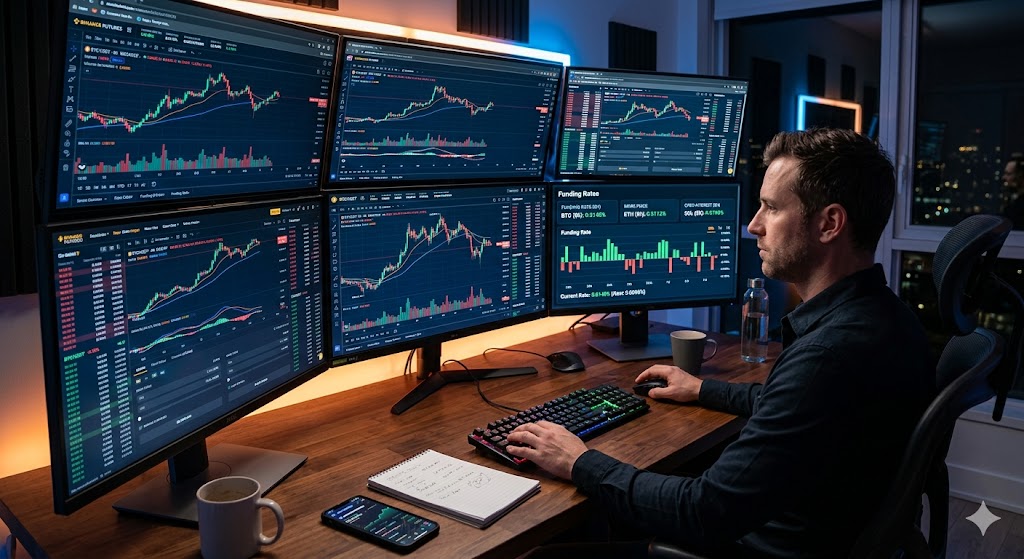
When the funding rate is positive, traders holding long positions pay those holding short positions. When it’s negative, the opposite happens.
This mechanism encourages balance. If too many traders lean in one direction, the funding rate adjusts to make that position more expensive to hold.
How Funding Rate Works
The funding rate is typically calculated using two main components:
- The difference between the perpetual contract price and the spot price
- An interest rate factor set by the exchange
Funding\ Rate = Premium\ Index + Interest\ Rate
Exchanges calculate and apply this rate at regular intervals, often every 8 hours.
A simple example helps clarify.
If Bitcoin perpetual contracts are trading above the spot price, the funding rate becomes positive. Traders going long pay a fee, which discourages excessive bullish positioning and nudges prices back toward equilibrium.
Why Funding Rate Matters
Funding rates provide a window into market sentiment. They reflect how traders are positioned rather than just where prices are moving.
Key interpretations include:
- Positive funding rate suggests bullish sentiment
- Negative funding rate suggests bearish sentiment
- Extremely high rates may indicate overcrowded trades
Traders often monitor these levels alongside price action to identify potential reversals or continuation trends.
Funding Rate vs Traditional Fees
Funding rates differ from typical trading fees in several important ways.
| Feature | Funding Rate | Trading Fees |
|---|---|---|
| Purpose | Balance market positions | Pay for executing trades |
| Frequency | Periodic | Per transaction |
| Paid To | Other traders | Exchange |
| Direction | Depends on market bias | Always paid by trader |
| Impact | Influences positioning cost | Affects trade profitability |
This distinction is important because funding rates can accumulate over time, especially in leveraged positions.
Pro Insight
Watch for extreme funding rates during strong trends. When rates remain elevated for extended periods, it can signal that too many traders are on the same side of the market.
This doesn’t guarantee a reversal, but it often increases the probability of sudden volatility.
Factors That Influence Funding Rates
Several variables affect how funding rates move:
- Market demand for long or short positions
- Price divergence between spot and futures markets
- Overall trading volume
- Exchange-specific formulas
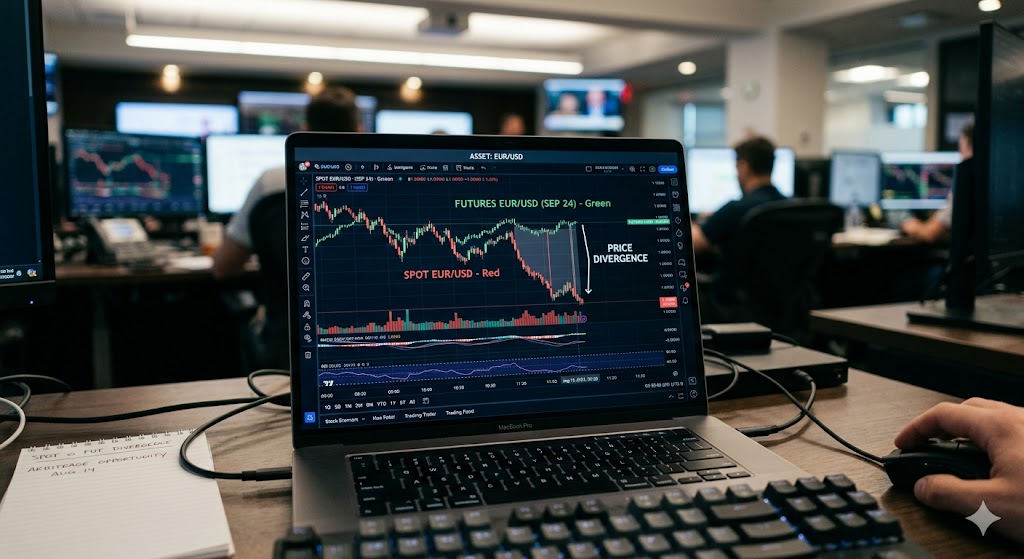
During periods of heavy speculation, funding rates can swing rapidly. In quieter markets, they tend to remain relatively stable.
Quick Tip
If you’re holding a leveraged position, always check the funding rate before entering a trade. Even small rates can add up over time and affect overall returns.
When Traders Use Funding Rate Signals
Funding rate analysis is often used in combination with other strategies.
Common use cases include:
- Identifying crowded trades
- Timing entry or exit points
- Confirming trend strength
Consider a practical scenario.
A trader notices that the funding rate for Ethereum has been consistently high for several days. Instead of immediately going long, they recognize that the market may be overcrowded. They wait for a pullback or confirmation before entering, reducing exposure to sudden corrections.
Frequently Asked Questions
What is a good funding rate in crypto
A neutral or low funding rate is generally considered stable, while extreme values may signal imbalanced market positioning.
How often is funding rate paid
Most exchanges apply funding rates every 8 hours, though this can vary depending on the platform.
Does funding rate affect spot trading
No, funding rates apply only to perpetual futures contracts and do not impact spot market transactions directly.
Can funding rates be negative
Yes, when short positions dominate, traders holding short positions pay those holding long positions.
Is funding rate the same across all exchanges
No, each exchange uses its own formula and may produce slightly different rates for the same asset.
Conclusion
Funding rate crypto is more than a technical detail—it’s a practical indicator of how traders are positioned in the market. By understanding how it works and what it signals, traders can better navigate volatility and avoid crowded trades.
Used thoughtfully, it becomes a valuable addition to a broader trading approach.
https://www.sec.gov
https://www.cftc.gov
https://www.federalreserve.gov
https://www.investor.gov
This article is for general informational purposes only and does not provide legal, financial, medical, or professional advice. Policies, rates, and regulations may change over time.